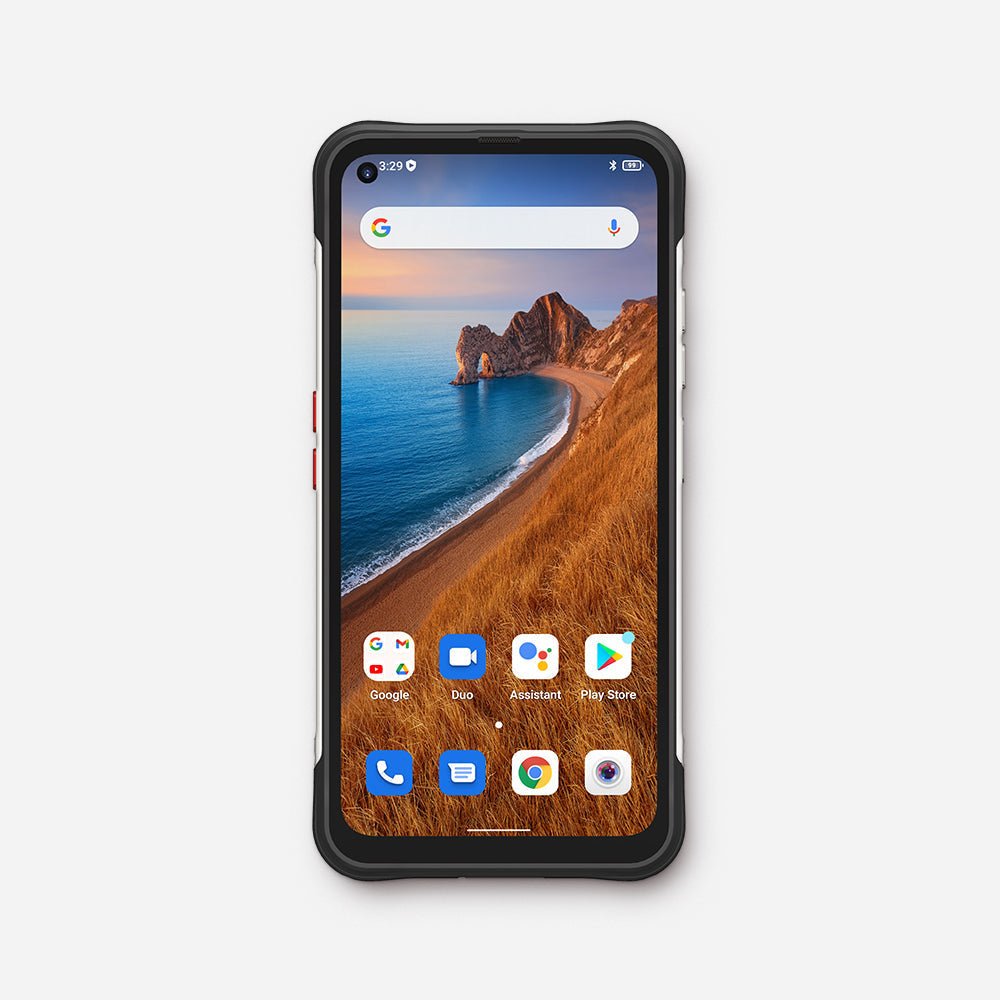
How Smartphones Have Revolutionized Communication in the 21st Century
In the 21st century, smartphones have profoundly transformed the landscape of communication, making it instantaneous and accessible. Gone are the days when communication was limited to face-to-face interactions or landline calls. Today, smartphones enable users to connect through various platforms, including social media, messaging apps, and video calls, regardless of geographical distance. This ubiquity of connectivity allows for an unprecedented exchange of ideas and information, making it easier for people to maintain relationships and collaborate with others across the globe.
Moreover, the rise of smartphones has introduced a new level of convenience and versatility in communication. Features like push notifications, voice assistants, and multi-functional apps have streamlined how we interact. For instance, users can send text messages, share photos, and even conduct business meetings on the go. This shift has not only changed personal interactions but has also revolutionized business communication, making remote work and global collaboration more effective and efficient than ever before.
Counter-Strike is a highly popular tactical first-person shooter game that has shaped the esports landscape since its release. Players engage in team-based combat, working together to complete objectives or eliminate the opposing team. For those looking to enhance their mobile experience while gaming on the go, check out the Top 10 magsafe car mounts to keep your devices secure.
10 Essential Apps That Transform Your Smartphone into a Powerhouse
In today's fast-paced digital world, having a smartphone that's more than just a communication tool is essential. Fortunately, there are numerous applications available that can transform your smartphone into a powerhouse. From productivity boosters to advanced photo editing tools, these apps empower you to maximize your device's capabilities. Here are 10 essential apps that can significantly enhance your smartphone experience:
- Evernote - A note-taking app that helps you organize thoughts, to-do lists, and documents seamlessly.
- Slack - Perfect for team collaboration, this app ensures effective communication with your colleagues.
- Todoist - A task manager that keeps your projects and deadlines in check.
- Canva - An intuitive tool for graphic design that allows you to create stunning visuals.
- Google Drive - Store and share files easily with this cloud storage solution.
- Duolingo - Learn a new language on the go with fun and engaging lessons.
- Adobe Lightroom - Elevate your photography skills with advanced editing tools.
- Mint - Manage your finances effortlessly with budgeting and tracking features.
- Headspace - A meditation app that helps you maintain mental wellness.
- Spotify - Stream music and podcasts to elevate your daily routines.
Are Smartphones Making Us Smarter or Dumber? Exploring the Impact on Daily Life
In today's fast-paced world, smartphones have become an integral part of our daily lives, often blurring the lines between smartphones making us smarter or dumber. With access to vast amounts of information at our fingertips, these devices can facilitate learning and enhance our problem-solving skills. For instance, educational apps and online courses enable users to acquire new knowledge and skills that were once out of reach. However, the constant distraction from notifications and social media can lead to reduced attention spans and lower productivity, casting doubt on whether our dependency on smartphones is indeed beneficial.
Moreover, the impact of smartphones on interpersonal communication cannot be overlooked. While they allow us to stay connected with friends and family across great distances, they can also hinder face-to-face interactions. Many individuals find themselves more comfortable texting than engaging in verbal conversation, which can lead to a decline in social skills. As we explore the question of are smartphones making us smarter or dumber, it's essential to consider how these devices shape our cognitive processes and social behaviors, posing both advantages and disadvantages in our daily lives.