Discover the best of Antalya with exclusive insights and tips.
Unlock lightning-fast data transfer with USB3! Discover how this revolutionary connector is transforming your tech experience.
USB 3.0 introduces significant improvements that contribute to its enhanced speed compared to its predecessors, like USB 2.0. One of the primary upgrades is the increase in data transfer rates, reaching up to 5 Gbps, which is about ten times faster than USB 2.0's maximum speed of 480 Mbps. This leap in performance is achieved through advancements in technology, allowing for more data to be sent simultaneously. Additionally, USB 3.0 incorporates a new data transfer protocol that supports full-duplex data transfers, enabling both sending and receiving of data at the same time, further maximizing its efficiency.
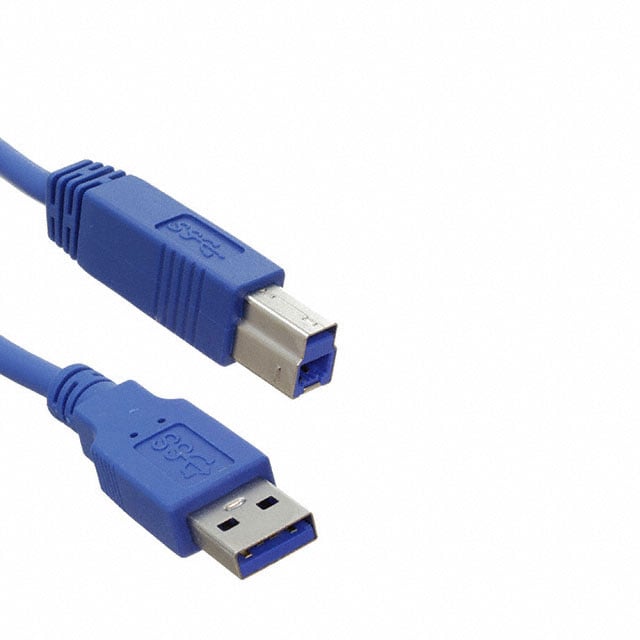
Another factor that enhances USB 3.0 speed is its improved power management. Unlike previous versions, which used more power during data transfers, USB 3.0 is designed to be more energy-efficient. This allows devices to charge faster while transferring data, making it highly advantageous for users. Additionally, the introduction of a new connector with more pins facilitates these speed improvements. The extra pins in USB 3.0 connectors not only enhance power delivery but also ensure better data exchange, making it a superior choice for users looking to optimize their device performance.
If you're looking to increase the reach of your USB devices, checking out the Top 10 USB Extension Cables is a great starting point. These cables vary in length, material, and speed capabilities, making it easy to find one that fits your needs. Whether for charging or data transfer, the right USB extension cable can enhance your connectivity experience.
USB 3.0 technology has revolutionized the way we connect our devices, offering faster data transfer rates and improved power management. Among the top devices that utilize USB 3.0 technology are external hard drives, which provide a significant boost in performance compared to their USB 2.0 predecessors. These drives are essential for storing large files and backups due to their ability to transfer data at speeds up to 5 Gbps.
Another category of devices that benefits greatly from USB 3.0 technology is peripherals such as printers and scanners. The increased bandwidth of USB 3.0 allows for quicker data exchange, enabling faster printing and scanning processes. Additionally, high-definition webcams leverage this technology to deliver sharper images and smoother video streaming, making them indispensable for content creators and professionals alike.
When it comes to achieving optimal data transfer speeds with USB 3.0, understanding its capabilities and proper usage is crucial. First, ensure that both your device and the cable used are USB 3.0 compliant. This means they should support the enhanced bandwidth that USB 3.0 offers, which can theoretically reach speeds of up to 5 Gbps. Additionally, using a high-quality cable that meets the USB 3.0 specifications can significantly impact performance. If you are still using older USB protocols or cables, consider upgrading to fully leverage the speed enhancements.
Another important factor in maximizing your USB 3.0 data transfer speeds is to ensure that you connect devices directly to a USB 3.0 port on your computer. Avoid using USB hubs or extension cables whenever possible, as these can introduce latency and bottleneck speeds. Furthermore, it’s wise to regularly update your machine's drivers to ensure compatibility and enhance performance. Lastly, consider the type of files you are transferring; larger files and fewer files tend to transfer faster than many small files due to reduced overhead. By following these guidelines, you can maximize your data transfer speeds and enjoy quicker file access.