Discover the best of Antalya with exclusive insights and tips.
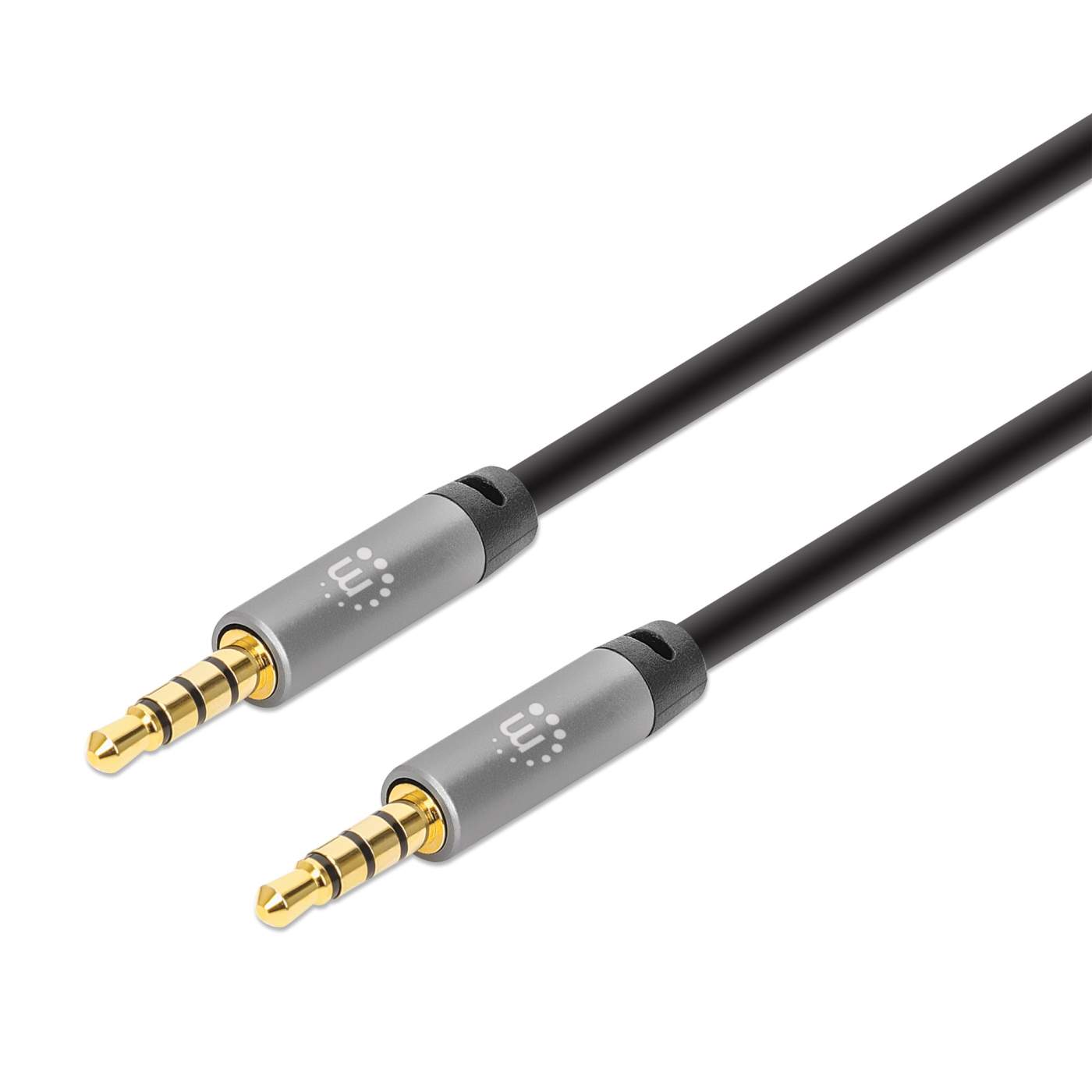
Discover the bizarre secrets of aux cables! Uncover quirky facts and unusual uses that will change the way you connect your audio.
The Aux cables have become an essential component in modern music playback, but their history is often overlooked. Originating in the 19th century with the development of analog audio, these cables underwent significant evolution throughout the decades. The early use of 1/4-inch connectors paved the way for the more compact 3.5mm jack we commonly associate with Aux cables today. As portable music devices emerged in the late 20th century, the convenience of Aux connections allowed listeners to enjoy their favorite tracks on the go, seamlessly integrating into various devices like car stereos and mobile phones.
By the early 2000s, the Aux cable played a crucial role in the transition from physical media to digital formats. It provided a simple yet effective solution for connecting devices, making it easier than ever to play music from laptops, smartphones, and MP3 players through traditional audio systems. The versatility of Aux cables not only democratized access to music but also laid the groundwork for future innovations in audio technology. As wireless options like Bluetooth gain popularity, the Aux cable remains a reliable and widely-used connection method, signifying its enduring impact on how we experience sound.

Counter-Strike is a popular first-person shooter game that pits two teams against each other: Terrorists and Counter-Terrorists. Players engage in tactical gameplay, completing objectives such as bomb defusal or hostage rescue. For those looking to enhance their gaming experience, consider checking out the Top 10 Headphone Cable Replacements.
The humble aux cable has been a staple in audio connections for years, yet many people are unaware of its fascinating history and quirks. For instance, did you know that the current design has its roots dating back to the 19th century? Originally used in telephones, the aux cable has evolved significantly, becoming an essential tool for anyone looking to connect various devices. Additionally, these cables are not just about functionality; they can come in a variety of vibrant colors and designs, making them not only practical but also a fashion statement for tech enthusiasts.
Another quirk that might surprise you is the prevalence of aux cables in unexpected places! While they are synonymous with music lovers and road trips, aux cables can also be found in many professional environments, such as recording studios and broadcasting stations. Furthermore, the widespread use of wireless technology has not diminished the popularity of these cables; in fact, many audio purists argue that aux cables offer superior sound quality compared to their wireless counterparts. So, whether you're rocking out at home or in a studio, aux cables have proven to be remarkably versatile!
In an era dominated by wireless technology, the question arises: Are aux cables still relevant? While streaming services and Bluetooth devices have become the norm for audio playback, aux cables still hold their ground in various scenarios. For instance, many audio enthusiasts argue that aux connections provide superior sound quality compared to Bluetooth, which can be subject to compression and latency issues. Furthermore, aux cables are universally compatible with a wide range of devices, allowing users to connect their smartphones, laptops, and even older audio systems with ease, ensuring a reliable audio experience.
Moreover, the absence of battery reliance enhances the appeal of aux cables. Unlike wireless devices that require charging, aux cables offer a straightforward plug-and-play solution, making them ideal for situations where convenience is crucial. In environments like cars or public spaces, where connecting to complex Bluetooth systems can be cumbersome, having an aux cable on hand provides a quick and efficient alternative. Thus, while wireless technology continues to grow, aux cables remain a practical, cost-effective solution that still holds relevance in today's audio experience.