Discover the best of Antalya with exclusive insights and tips.
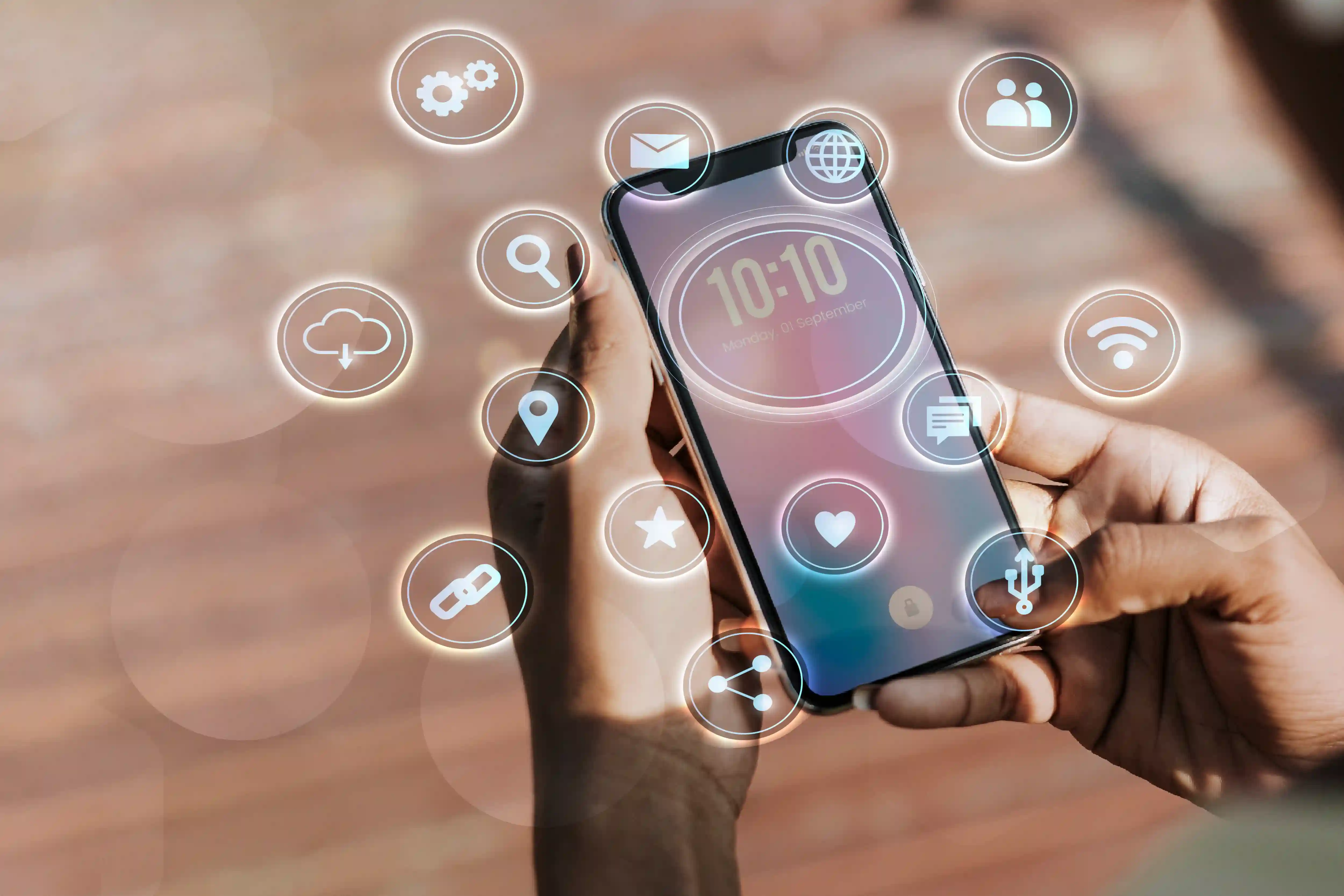
Discover how smartphones revolutionize our lives, serving as your ultimate gateway to the future. Unlock endless possibilities today!
The advent of smartphones has profoundly reshaped our daily lives, making them more interconnected and efficient. With just a few taps on a screen, people can communicate with friends and family across the globe, access a wealth of information, and manage everyday tasks more effectively. Tasks that once required extensive planning and effort, such as finding directions, shopping, or even booking appointments, can now be completed in seconds. Moreover, smartphones have integrated various functionalities—like high-quality cameras and advanced GPS systems—into one compact device, streamlining our activities and reducing the need for multiple gadgets.
In addition to enhancing convenience, smartphones have transformed the way we consume media and interact with the world. Social media platforms and streaming services are now largely accessed through these handheld devices, allowing users to stay updated on trends and engage with content wherever they are. This shift has not only altered the landscape of entertainment but also changed how businesses reach their audience. With mobile optimization becoming critical for website traffic, companies are now focusing on strategies tailored specifically for smartphone users, highlighting the significant role that these devices play in our lives.

Protecting the camera lens of your iPhone 17 Pro Max is essential to maintain its clarity and functionality. Consider investing in one of the Top 10 iphone 17 pro max lens protector glass options available on the market to ensure your device remains in pristine condition. These lens protectors offer durability and precision fit, making them a must-have accessory for any iPhone user.
The future of smartphones is poised for transformational changes over the next decade, driven by rapid advancements in technology and evolving consumer preferences. One of the most exciting developments will be the integration of artificial intelligence. As AI becomes more sophisticated, smartphones will offer personalized experiences by learning user habits, enhancing everything from photography to virtual assistants. We can also expect improvements in 5G connectivity, enabling faster data speeds and seamless integration of augmented reality applications, making smartphones integral to daily life.
Another significant trend will be the shift towards flexible displays and foldable designs. This innovation allows for larger screens in a more compact form, catering to the growing demand for multitasking. Furthermore, advancements in battery technology could lead to longer-lasting devices and faster charging capabilities, enhancing the overall user experience. With the rise of IoT (Internet of Things), smartphones will likely serve as central hubs, controlling various smart devices in our homes. In summary, the next ten years promise unprecedented changes that will redefine how we interact with technology.
In today's digital age, smartphones have become ubiquitous, facilitating immediate access to an abundance of information. This reality prompts the question: Are smartphones making us smarter or slower? On one hand, these devices allow us to quickly gather facts, communicate instantaneously, and learn through various applications and online resources. The ease of accessing information can exacerbate cognitive skills, as users become adept at navigating digital landscapes and assimilating vast amounts of data at their fingertips. Moreover, smartphones enable us to stay connected with educational platforms that encourage continuous learning.
Conversely, the convenience of smartphones may lead to a decline in our cognitive functions over time. The constant distractions from notifications and social media can impair our ability to focus and engage in deep thought. Research suggests that reliance on smartphones for information retrieval might weaken our memory retention, diminishing our problem-solving capabilities. In this context, one might argue that smartphones could be making us slower in terms of critical thinking and analytical skills, highlighting the importance of finding a balance in utilizing these powerful tools without becoming overly dependent on them.