Discover the best of Antalya with exclusive insights and tips.
Discover how smart technology is quietly transforming our daily lives and shaping the future. Embrace the revolution today!
In recent years, smart technology has seamlessly integrated itself into our daily routines, revolutionizing how we manage not only our homes but also our personal and professional lives. With the advent of smart devices such as smart speakers, thermostats, and home security systems, consumers can now control nearly every aspect of their environment at the touch of a button or a simple voice command. These innovations have increased convenience, making mundane tasks easier and more efficient. For example, a smart thermostat learns your schedule and preferences, automatically adjusting the temperature to suit your needs, which can lead to significant energy savings.
Moreover, the impact of smart technology extends beyond convenience to enhance overall well-being and productivity. Fitness trackers and health monitoring devices provide users with valuable insights into their physical health, encouraging more active lifestyles. In the workplace, smart technology fosters collaboration through tools like cloud-based project management software and video conferencing. This transformation not only boosts productivity but also allows for greater flexibility in work arrangements, promoting a better work-life balance. As smart technology continues to evolve, its role in shaping a more connected and efficient everyday life is undeniable.

Counter-Strike is a multiplayer first-person shooter video game franchise in which teams compete to complete objectives or eliminate each other. Players can choose between various roles and weapons, leading to strategic gameplay. For those interested in gaming gear, check out the Top 10 Tech Gifts for Men to enhance your gaming experience!
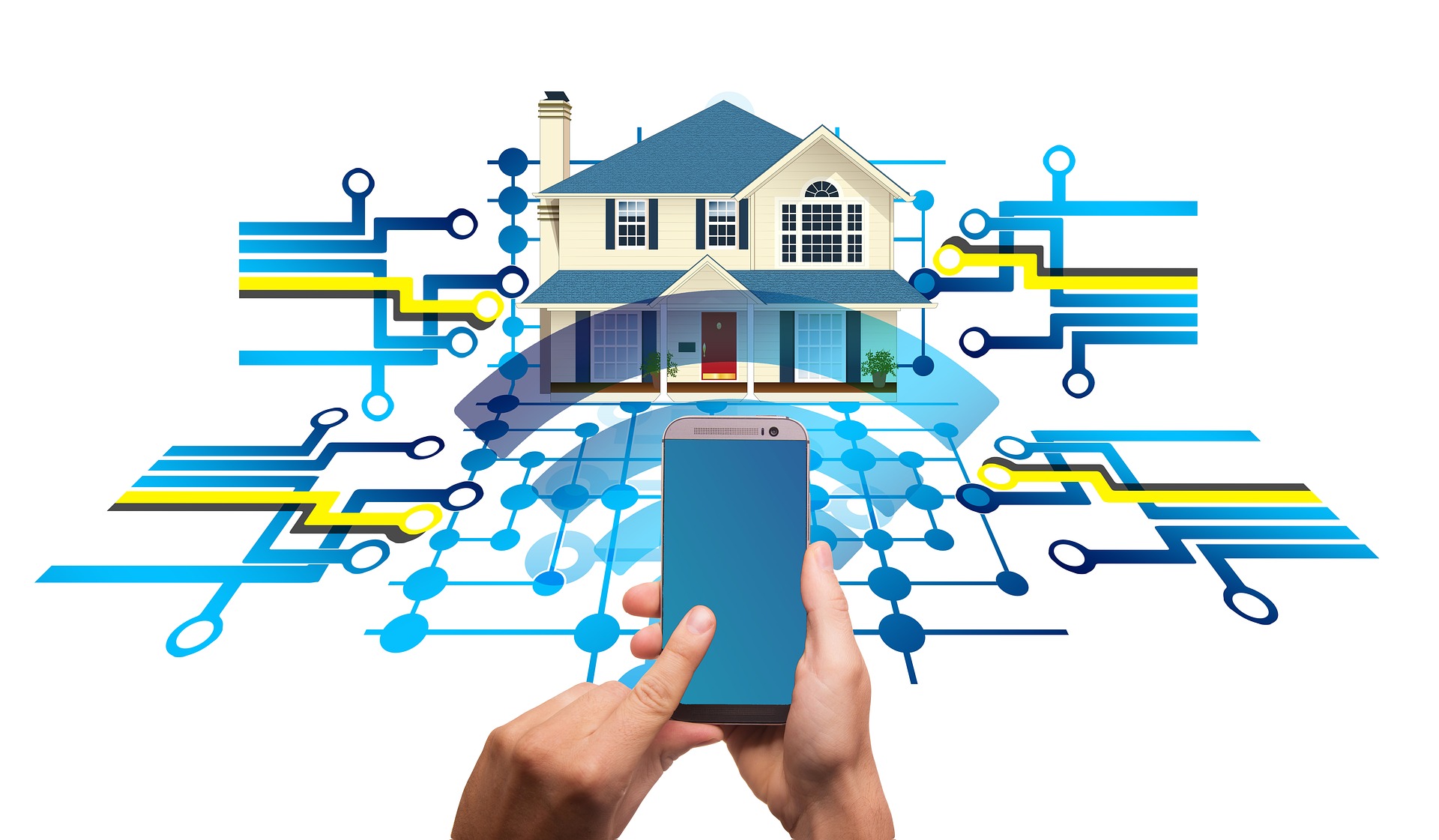
The rise of smart homes has transformed the way we live, bringing unparalleled convenience to our daily routines. With smart devices like thermostats, lighting, and appliances connected to the internet, homeowners can easily control their environments through mobile apps or voice commands. For instance, imagine returning home after a long day to a perfectly heated living room, or having your lights automatically adjust based on the time of day. This level of automation not only saves time but also enhances energy efficiency, reducing utility bills and minimizing your carbon footprint.
In addition to convenience, smart homes offer significant improvements in security. Features such as smart locks, surveillance cameras, and motion sensors provide homeowners with peace of mind. These systems allow you to monitor your property remotely, receive instant alerts for unusual activities, and even grant access to trusted visitors while you're away. Furthermore, with the integration of smart doorbells, you can see and speak to anyone at your door from anywhere, ensuring that your home is always protected. As crime rates fluctuate, the implementation of smart security measures has become increasingly vital in preserving the safety of your home and loved ones.
As smart technology continues to infiltrate every aspect of our lives, a debate arises: Is smart technology making us smarter or more dependent? On one hand, these innovations, such as smart assistants, automated systems, and connected devices, offer us unprecedented access to information and convenience. With just a voice command or click of a button, we can control our home environment, manage tasks, and retrieve information almost instantaneously. This accessibility not only enhances our productivity but also fosters learning opportunities, allowing us to engage with a wealth of resources that were previously out of reach.
On the other hand, the increasing reliance on smart technology raises concerns about our dependency on these devices. Some argue that the more we depend on technology to perform even the simplest tasks, the more our cognitive abilities may diminish. For instance, GPS navigation has made it easy for us to find our way, but it may also inhibit our natural sense of direction. Similarly, frequent reliance on spell-check and grammar tools could weaken our writing skills. This dynamic prompts us to ask: while these technologies undoubtedly enhance efficiency, could they ultimately hinder our capacity for critical thinking and problem-solving?