Discover the best of Antalya with exclusive insights and tips.
Unlock the secrets of your workspace! Discover how your office impacts creativity in unexpected ways and boost your innovative spirit today!
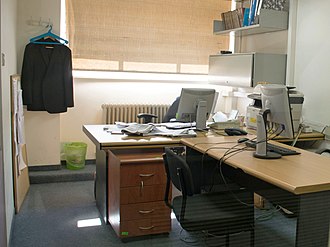
The layout of an office can significantly affect creative thinking among employees. Studies indicate that an open office design can enhance collaboration and lead to spontaneous brainstorming sessions, while private workspaces may foster deep focus and individual creativity. By implementing a blend of open areas and quiet zones, companies can cater to different working styles and encourage innovation. The arrangement of furniture, availability of communal spaces, and even the choice of colors can serve as catalysts for creative thinking, ultimately influencing productivity and employee satisfaction.
Moreover, the impact of office layout goes beyond just physical space; it also resonates on a psychological level. For instance, research shows that access to natural light can elevate mood and stimulate creative thinking, while cluttered environments may induce stress and hinder imaginative processes. To truly harness the potential of office space, organizations should consider incorporating biophilic design principles, which integrate nature into the workplace. By doing so, they not only enhance the aesthetic appeal but also create an atmosphere conducive to creative thinking and innovation.
If you're looking for a convenient way to use your tablet hands-free, checking out the Top 10 Floor Tablet Stands can help you find the perfect option. These stands not only enhance your viewing experience but also provide stability and versatility for different activities. Whether you want to watch movies, read, or video chat, a quality floor tablet stand can make all the difference.
Color psychology plays a vital role in shaping the atmosphere of the workplace, influencing everything from employee morale to room dynamics. Different colors evoke various emotions and reactions, which can significantly impact the creative process. For instance, blue is often associated with tranquility and productivity, making it a popular choice for offices aiming to foster focus and concentration. In contrast, colors like yellow can stimulate creativity and optimism, encouraging brainstorming sessions and innovative thinking. Understanding how these colors affect mood and behavior can help businesses tailor their environments to enhance employee performance and creativity.
Implementing color psychology effectively involves more than just slapping a coat of paint on the walls. It requires a strategic approach to how colors are used in different spaces. For example, you might consider using orange in collaborative areas to promote teamwork and communication while keeping more subdued hues like gray in spaces intended for focused work. Additionally, incorporating elements like custom art or decorative items can further enhance the emotional resonance of a workspace. By consciously integrating color theory into workplace aesthetics, companies can create an environment that not only inspires creativity but also boosts overall job satisfaction.
Have you ever stopped to consider whether your workspace is holding you back from reaching your creative potential? Many professionals find themselves in environments that stifle innovation and productivity. Factors such as clutter, inadequate lighting, and uncomfortable furniture can all contribute to a space that hinders rather than inspires. By reevaluating your surroundings, you can identify what influences your creativity and make the necessary changes to foster a more productive mindset.
Creating an optimal workspace involves understanding the psychological impacts of environment on creativity. For instance, studies have shown that natural light can significantly improve mood and focus, while personalized decorations can make a space feel more inviting and motivating. Consider introducing elements like plants or vibrant artwork to rejuvenate your workspace. Small adjustments can lead to significant improvements in how you feel and work, ultimately unleashing your full creative capabilities.