Discover the best of Antalya with exclusive insights and tips.
Explore the mesmerizing world of optical wonders and uncover lenses that reveal the unseen! Dive into our captivating journey now!
Optical lenses are fascinating components that manipulate light to enhance vision and enable a variety of technological applications. The fundamental principle behind optical lenses lies in their ability to refract, or bend, light rays as they pass through the lens material. This bending occurs because light travels at different speeds in different mediums. For instance, when light enters a glass lens from air, it changes speed, causing it to bend at a specific angle dictated by the lens's curvature and material. There are two primary types of lenses: convex lenses, which converge light rays to a focal point, and concave lenses, which diverge light rays. The properties of these lenses make them essential in applications ranging from eyeglasses to high-precision instruments like microscopes and telescopes.
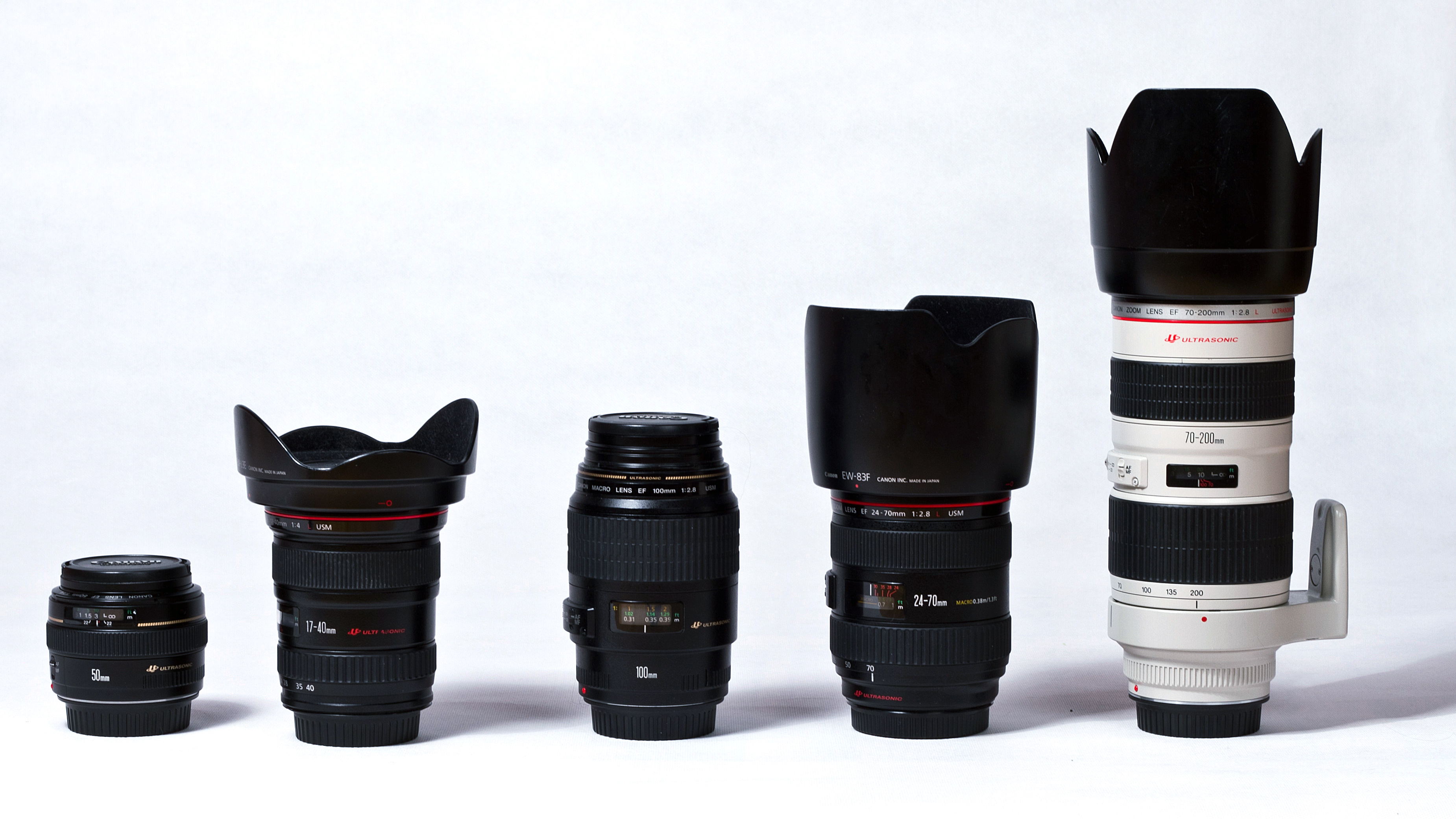
In addition to their role in vision correction, optical lenses are crucial in various fields, including photography, medicine, and scientific research. For example, in photography, lenses are designed to focus light onto a sensor or film, enabling the capture of clear images. In the medical field, specially crafted lenses are used in equipment such as endoscopes, allowing for minimally invasive procedures with enhanced visibility. Furthermore, research laboratories utilize complex lens systems in instruments like spectrometers and laser systems. The diverse applications of optical lenses highlight their significant impact on technology and science, illustrating how understanding their workings can lead to advancements in multiple disciplines.

Counter-Strike is a popular first-person shooter game that pits two teams against each other: terrorists and counter-terrorists. Players choose to play either side and must complete objectives such as planting or defusing bombs, rescuing hostages, or simply eliminating the opposing team. The game is known for its strategic gameplay and competitive scene. If you're looking to enhance your photography experience, check out the Top 10 iPhone accessories for photography to capture action-packed moments.
The history of eyeglasses dates back to the late 13th century, marking a significant turning point in optical innovations. The earliest known visual aids were simple convex lenses made from glass, designed to assist those with presbyopia, a common age-related vision condition. By the 15th century, eyeglasses became more widely used, primarily in Europe. They were rudimentary and often featured a basic frame without temples, resting on the nose. The invention of the printing press around the same time spurred demand for corrective lenses, as more individuals began to read books, leading to further innovations in lens crafting and design.
As centuries passed, the design and functionality of eyeglasses evolved dramatically. The introduction of the pince-nez in the 19th century eliminated the need for earpieces, showcasing a new level of creativity in style and comfort. The 20th century witnessed the birth of bifocals and then progressive lenses, which permitted seamless vision correction for varying distances. Technological advancements such as anti-reflective coatings, photochromic lenses, and lightweight materials have transformed eyeglasses into not only practical tools but also fashionable accessories, catering to the needs of modern users. This ongoing evolution illustrates the remarkable journey of *optical innovations* from simple aids to essential components of daily life.
When it comes to vision enhancement, lenses play a crucial role, and they come in various types catering to specific visual needs. Single vision lenses are designed to correct one field of vision, whether for nearsightedness or farsightedness. These are the most commonly prescribed lenses. Bifocal lenses, on the other hand, feature two distinct optical powers, allowing users to see clearly at both near and far distances without needing to switch glasses. Additionally, progressive lenses offer a gradual change in prescription, facilitating seamless transitions between distances without visible lines, making them popular among those with presbyopia.
Besides corrective lenses, there are also specialized options that enhance vision in unique ways. Photochromic lenses, for example, adapt to lighting conditions, darkening in sunlight and becoming clear indoors, providing comfort and convenience. Polarized lenses are ideal for outdoor enthusiasts as they reduce glare from reflective surfaces, enhancing visual clarity in bright conditions. Moreover, blue light blocking lenses are gaining popularity for their ability to filter harmful blue light emitted by screens, reducing eye strain. With these diverse lens options, individuals can achieve optimal vision correction and comfort tailored to their lifestyles.