Discover the best of Antalya with exclusive insights and tips.
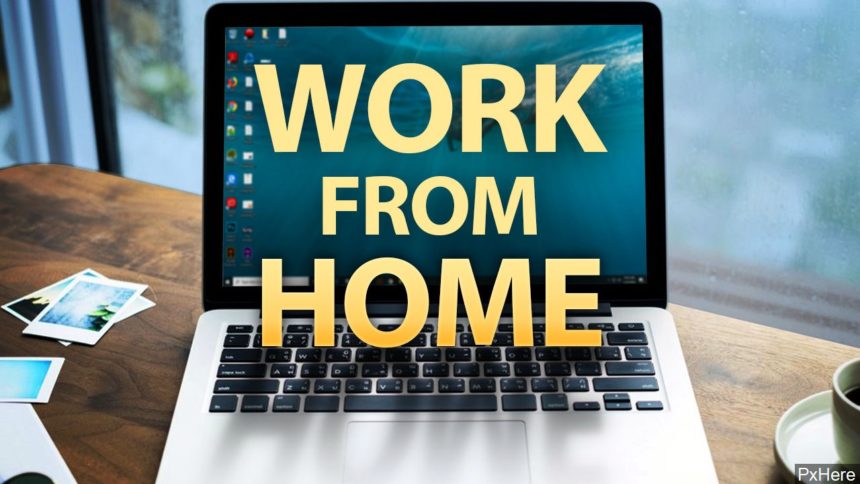
Discover how working from home has transformed our daily routines and made the coffee break the ultimate escape from the grind!
The transition to remote work has become a game changer for many professionals, providing numerous benefits that extend beyond just eliminating the daily commute. One of the most significant advantages is the improvement in work-life balance. With no time spent traveling to and from the office, employees can allocate this newfound time to personal activities, family, or even additional work projects. According to a recent survey, remote workers reported a 25% increase in overall job satisfaction, highlighting how the flexibility of location can enhance overall quality of life.
Moreover, remote work can lead to increased productivity. Without the distractions commonly found in a traditional office setting—such as impromptu meetings or chatter from coworkers—individuals often find they can focus better on tasks at hand. A study indicated that remote employees are 20-25% more productive on average than their in-office counterparts. Additionally, companies that embrace remote work can benefit from reduced overhead costs and access to a broader talent pool, leading to enhanced team dynamics and innovative thinking.

Counter-Strike is a popular first-person shooter game that has been a staple in the esports community for over two decades. Players can engage in tactical team-based gameplay, where terrorists and counter-terrorists face off in a variety of maps and game modes. To enhance your gaming experience, you might also find the Top 10 laptop productivity accessories useful for improving performance and efficiency.
Creating a productive home office space is essential for remote workers who seek to enhance their focus and efficiency. Start by choosing a dedicated area in your home that is free from distractions. Ideally, this should be a separate room or a quiet corner where you can establish a boundary between work and personal life. Organize your workspace by investing in ergonomic furniture such as a comfortable chair and an adjustable desk to promote good posture. Additionally, consider implementing elements of natural light and decor that inspires productivity, such as motivational quotes or a vision board.
Next, consider the tools and technology that you will need to optimize your work environment. Ensure that your internet connection is reliable and fast enough for video calls and transferring large files. Utilize productivity tools and apps that help manage your tasks effectively, such as Trello or Asana. To minimize distractions, create a daily routine that includes scheduled breaks and limits interruptions from household members. Lastly, remember to personalize your space. Incorporating items that bring you joy, like plants or artwork, can significantly enhance your overall work experience, making your home office not just a place to work, but a space you love spending time in.
The COVID-19 pandemic has significantly transformed the way we view work, leading many to ask, Is remote work here to stay? As companies and employees alike have adapted to the virtual workspace, the potential for long-term remote work setups has become increasingly evident. Numerous studies suggest that employees value the flexibility of working from home, with benefits such as reduced commuting time and a better work-life balance. This shift in preference has prompted businesses to reconsider their traditional office spaces and adopt more hybrid models that accommodate both in-office and remote employees.
Looking ahead, it's clear that the future of work and commuting will be shaped by a fusion of technology and human behavior. Companies are investing in digital infrastructure to support remote collaboration, while employees are becoming more selective about job opportunities, prioritizing those that offer flexibility. As we explore the future of commuting, it's also worth noting that reduced travel could lead to less congestion and a lower carbon footprint, aligning with global sustainability goals. Ultimately, the trend suggests that while remote work may not completely eliminate traditional office environments, it will certainly redefine them, making remote work a staple of the modern workforce.